

As you engage in agriculture or manage a garden, the term NPK fertilizer may have crossed your path. But what exactly does it entail, and how can it serve your plants well? NPK stands for nitrogen (N), phosphorus (P), and potassium (K)—three primary nutrients that plant growth relies upon. A widely used formulation, often referred to as npk 20 20 20, offers an equal ratio of these nutrients, each comprising 20%. Together, these elements work to improve plant vitality. Now, let’s take a closer look at the impact each nutrient has.
How nitrogen, phosphorus, and potassium support plants
The first component, nitrogen, is indispensable for photosynthesis, helping plants form chlorophyll. Chlorophyll is the green pigment that enables sunlight absorption, converting it into the energy needed for lush foliage and healthy growth. Without enough nitrogen, you may notice your plants display yellowing leaves and stunted growth, signaling a nutrient shortfall.
Next, phosphorus plays an important role in root and flower development, aiding energy transfer within plants. Strong roots and the ability to bloom effectively depend on sufficient phosphorus levels. When this nutrient is lacking, your plants might struggle with reproduction and fail to build strong root systems, which are needed for nutrient absorption.
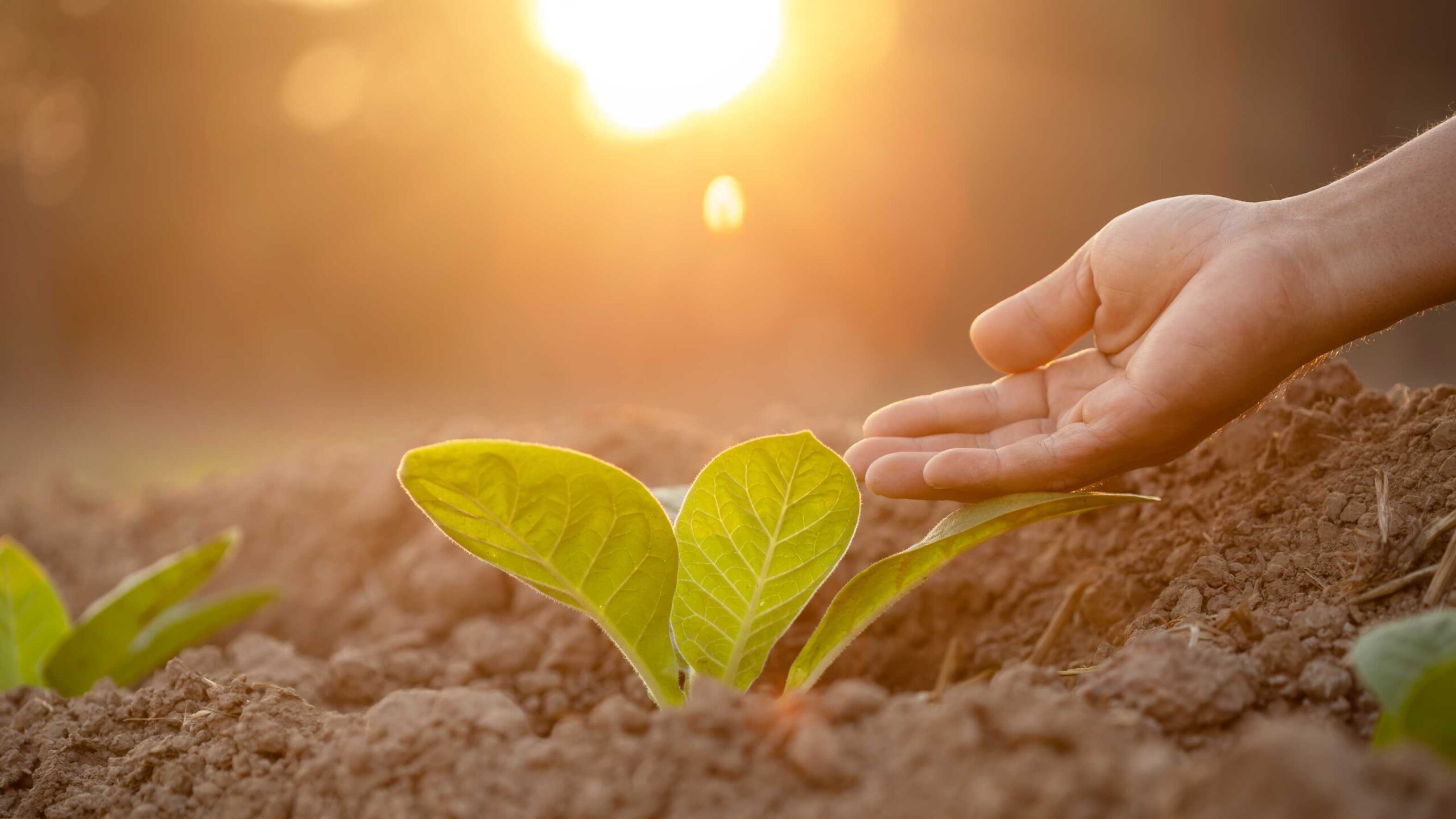
Choosing the right npk ratios for plant-specific requirements
Your choice of NPK ratio should align with the individual needs of your plants. For example, leafy vegetables often thrive with a mix rich in nitrogen, while flowers might demand more phosphorus. Understanding what each plant type requires will help you pick an effective fertilizer combination.
Moreover, certain times of the year could influence the NPK ratio you select. A balanced mix such as npk 20 20 20 might be ideal during peak growth periods, yet different growth stages could need variations. Paying attention to how your plants grow and the environmental conditions they face ensures you choose the best fertilizer strategy for success.